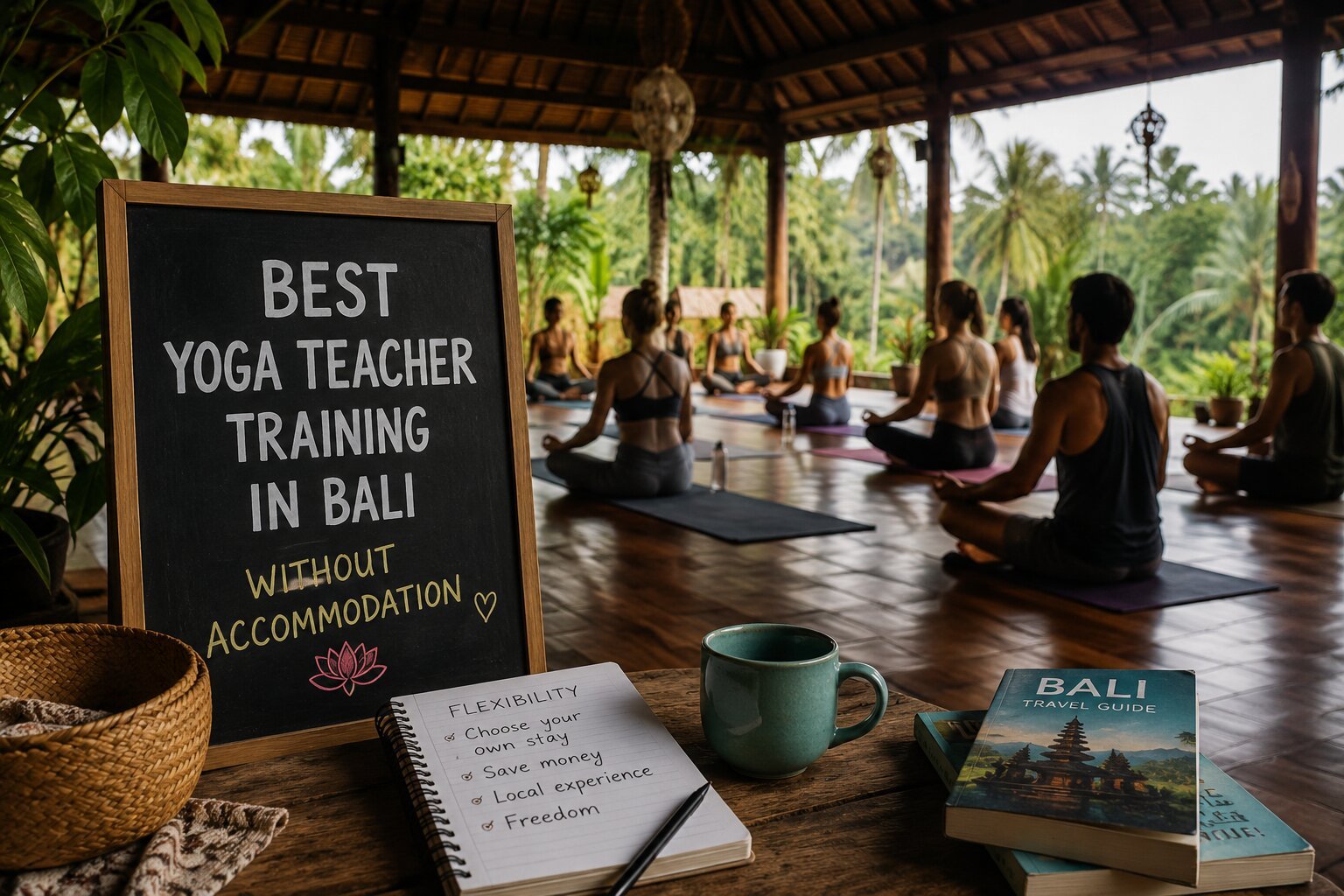
Not every student wants an all-inclusive yoga teacher training package in Bali.
For many students, an all-inclusive package is the easiest choice. The school arranges the room, meals, daily schedule, and most of the basic logistics. You arrive, settle in, and follow the rhythm of the training.
But that setup does not suit everyone. Some students already know where they want to stay. Some are coming to Bali with a partner or friend. Some want to arrive early, stay longer after the course, or choose a quieter room away from the training venue. Others simply want to keep the course fee separate from their accommodation budget.
For those students, a yoga teacher training in Bali without accommodation can be a better fit. You book the training with the school, then arrange your own guesthouse, homestay, villa, or hotel nearby.
The training itself does not change. You attend the same classes, practise in the same shala, learn from the same teachers, complete the same required hours, and receive the same school-issued completion certificate as students who choose the all-inclusive package.
The difference is outside the classroom. You choose where you sleep, where you eat, and how you travel to the shala each day.
This guide explains how course-only yoga teacher training works in Bali, when it makes sense, what it can really cost, and which schools offer strong options without accommodation.
Course-Only vs All-Inclusive Training: What Actually Changes?
The main difference is not the training. It is the package around the training.
In an all-inclusive yoga teacher training, the school usually includes accommodation and often includes meals. In a course-only training, you pay for the training and arrange your own stay separately.
| Included | Course Only | All-Inclusive |
|---|---|---|
| Yoga teacher training classes | Yes | Yes |
| Manuals and course materials | Yes | Yes |
| School-issued completion certificate | Yes | Yes |
| Accommodation | No | Yes |
| Meals | Depends on the school | Usually yes |
| Airport transfer | Usually no | Sometimes |
| Daily commute to the shala | You arrange it | Usually easier |
The important thing is simple: course-only students take the same training as everyone else. They attend the same classes, practise in the same shala, learn from the same teachers, complete the same required hours, and receive the same school-issued completion certificate.
The only difference is accommodation. Course-only students do not stay in the school-arranged room or property. They arrange their own place to stay and travel to the shala each day.
Choose an all-inclusive package if you want the school to handle most of the planning. Choose course-only if you want more freedom over your stay, your budget, and your daily routine in Bali.
The 200-hour yoga teacher training in Bali is the most common level offered in both formats.
Is Yoga Teacher Training Without Accommodation Cheaper?
Often, yes, especially if you book a simple guesthouse or homestay close to the shala. Course-only training usually has a lower upfront fee because accommodation is not included, so you save most when your room, meals, and transport stay simple.
If you choose a private villa, eat in Western cafes every day, stay far from the school, or rely on ride-hailing for every class, the total cost can quickly come close to an all-inclusive package.
A 200-hour yoga teacher training in Bali usually costs about $1,500 to $4,000, depending on the school, location, teachers, and what is included.
All-inclusive mid-range programs often sit around $2,200 to $3,500. Higher-end retreat-style packages can go above $5,000, especially when they include private rooms, resort facilities, or a more premium stay.
Course-only is best when you want the training quality but do not need the school to arrange your room. It works especially well if you are comfortable finding a clean, simple place nearby and managing your own daily routine.
What to Budget Beyond the Course Fee
Before choosing a course-only training, look at the full cost of your month in Bali. The course fee is only one part of the total budget.
| Expense | Budget | Mid-Range | Comfort |
|---|---|---|---|
| Accommodation for 4 weeks | $350 to $600 | $700 to $1,200 | $1,400 to $2,500 |
| Food for 1 month | $200 to $300 | $400 to $600 | $800+ |
| Scooter rental for 1 month | About $70 | About $95 | About $120 |
| Visa on arrival | About $35 | About $35 | About $35 |
| Yoga Alliance registration | About $65 to $115 | About $65 to $115 | About $65 to $115 |
Food can be affordable in Bali if you eat at local warungs. A simple local meal may cost around $2 to $3. Western cafe meals are usually more expensive, often around $6 to $12.
Transport also matters. A scooter is common in Bali, but it is not the right choice for everyone. If you are not confident riding in Bali traffic, stay within walking distance of the shala or budget for Grab or Gojek rides.
Yoga Alliance registration is also separate from your course fee. After completing a training at a Yoga Alliance Registered Yoga School, you pay Yoga Alliance directly if you want to register yourself as an RYT-200 teacher.
Choose the Area That Supports Your Training
One of the biggest benefits of course-only training is that you can choose the kind of Bali experience you want outside class.
If you want quiet mornings, rice fields, and a strong yoga community, stay in or near Ubud. It is one of the easiest areas for yoga students because there are many guesthouses, vegetarian cafes, wellness spaces, and studios close together.
If you want surf, cafes, and a more social atmosphere after class, Canggu may suit you better. It is busy, but many students enjoy the energy, beach access, and community feel.
If you want cliffs, beaches, sunsets, and a more coastal setting, Uluwatu can be a strong option. Just remember that Uluwatu is spread out, so the exact location of your room matters. A place that looks close on a map may still take time to reach by scooter or car.
Course-only training also gives you freedom with dates. You can arrive a few days early to settle in, stay longer after graduation, or share accommodation with a partner or friend.
Best Yoga Teacher Training Schools in Bali Without Accommodation
The schools below are listed in the YTTinBali directory and offer course-only options. That means you can book the training and arrange your own accommodation separately.
Each school has a different style, location, and learning environment. Use the shortcodes below to check current dates, reviews, pricing, and school details before booking.
Yoga New Vision in Ubud
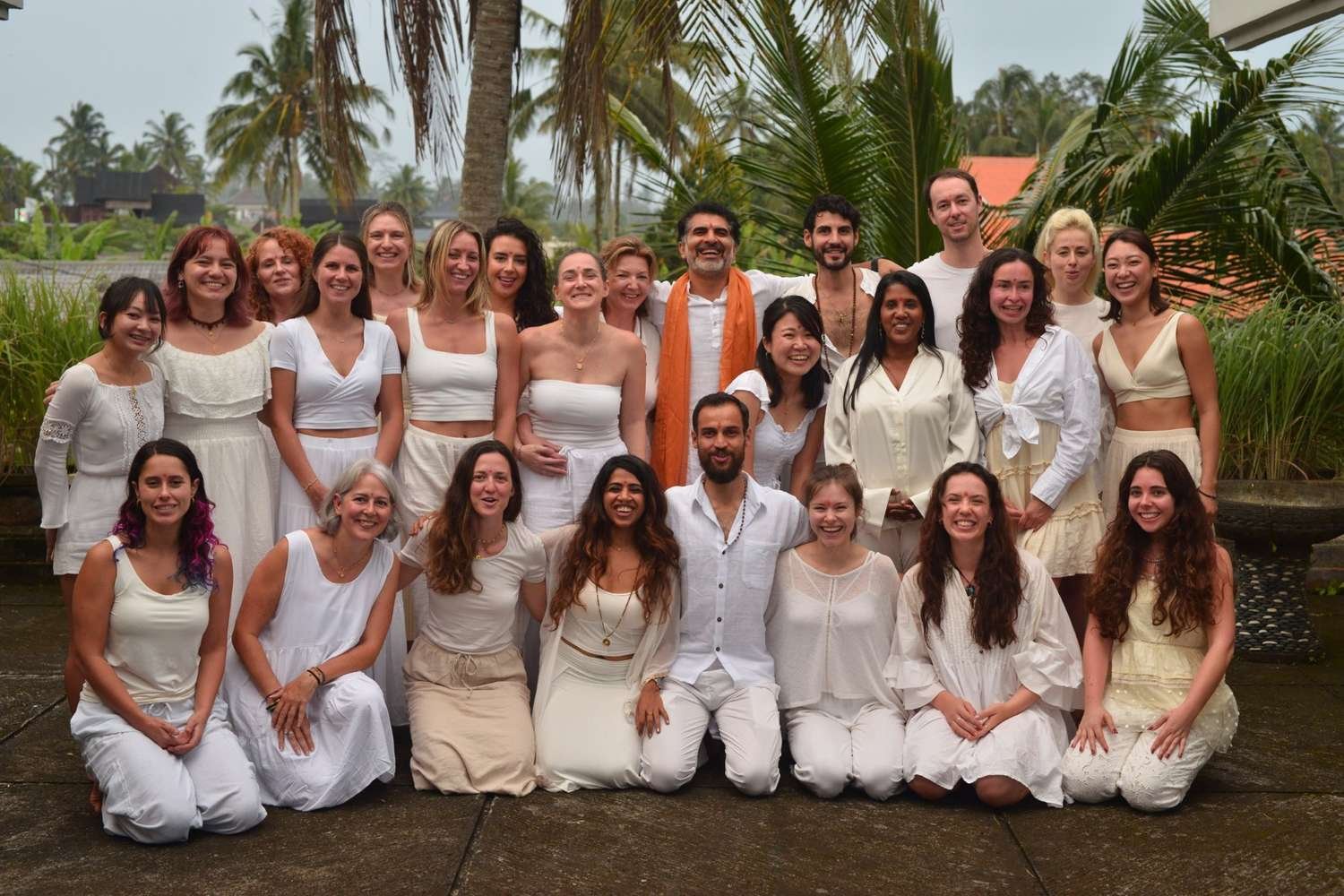
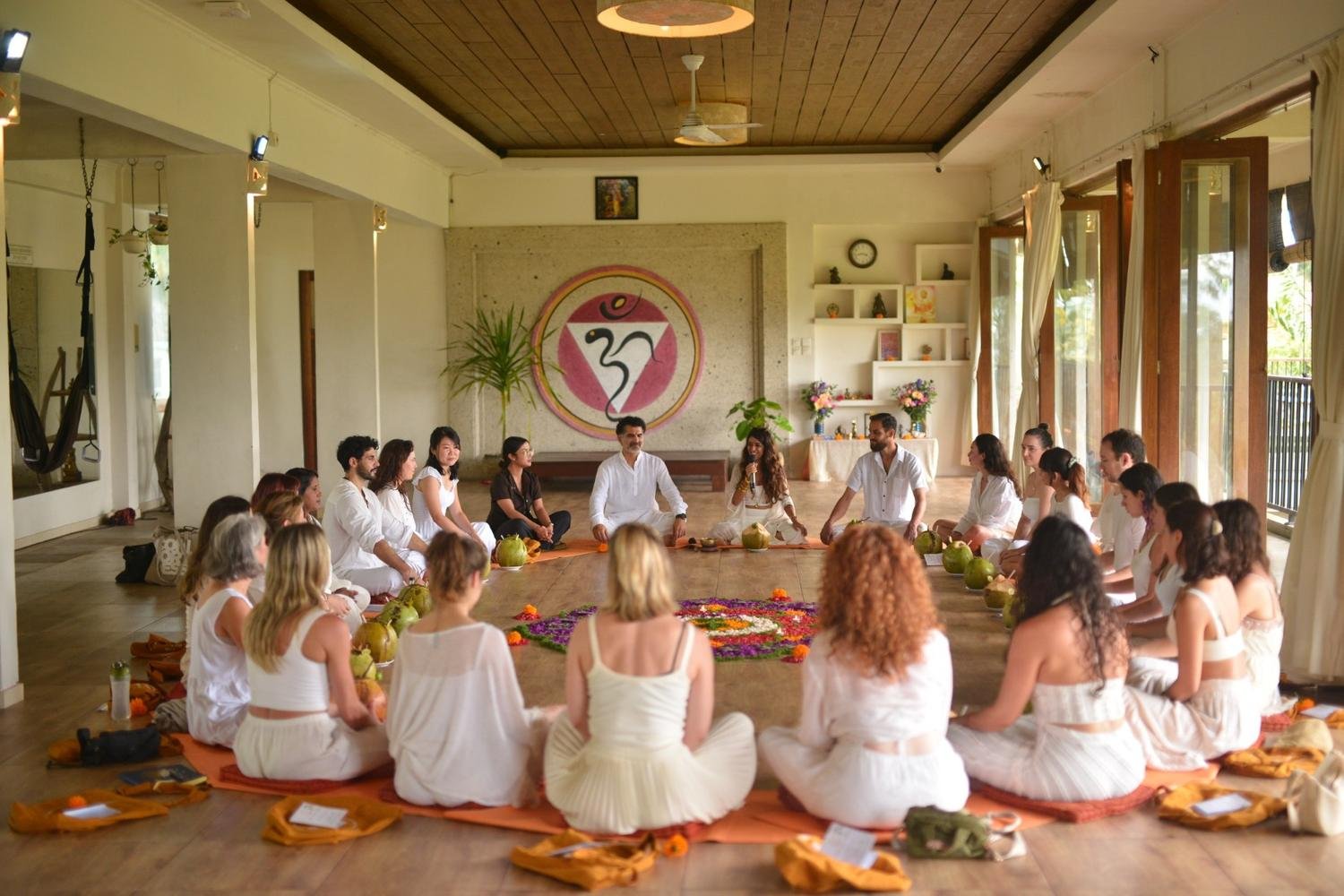
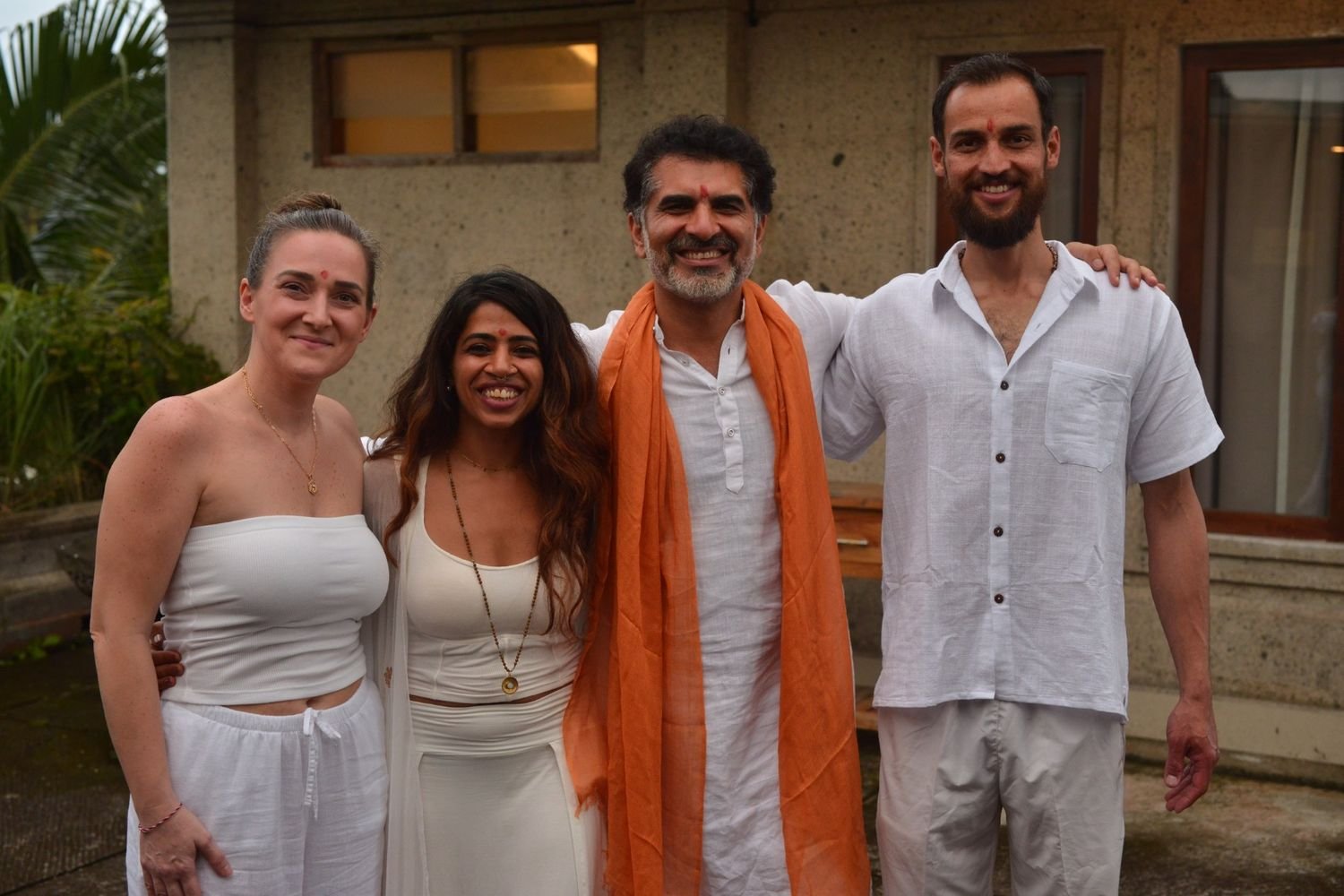
Yoga New Vision is based in central Ubud and teaches a blend of Hatha and Vinyasa that it describes as Meditative Hatha Vinyasa. The training has a strong focus on alignment, injury prevention, and understanding how the body moves.
This is a good option if you want clear, anatomy-informed teaching and prefer to stay independently in central Ubud. The location makes it easier to find guesthouses, cafes, and daily essentials nearby.
Choose this if: you want careful, alignment-focused teaching and a walkable Ubud base.


Verified by Students
Rating aggregated from publicly available third-party review data. YTTinBali does not host user reviews directly.
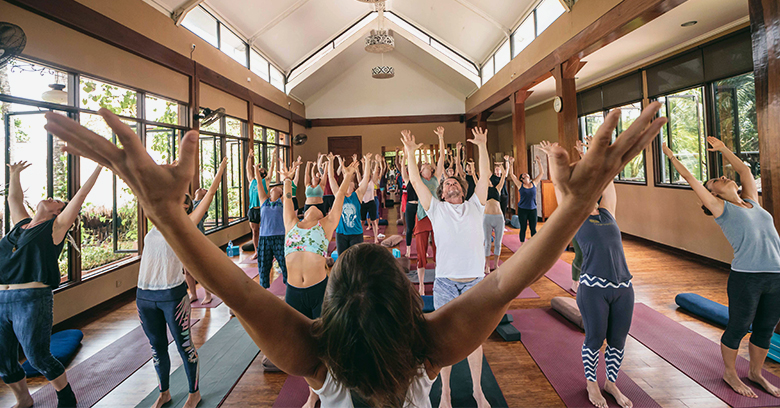
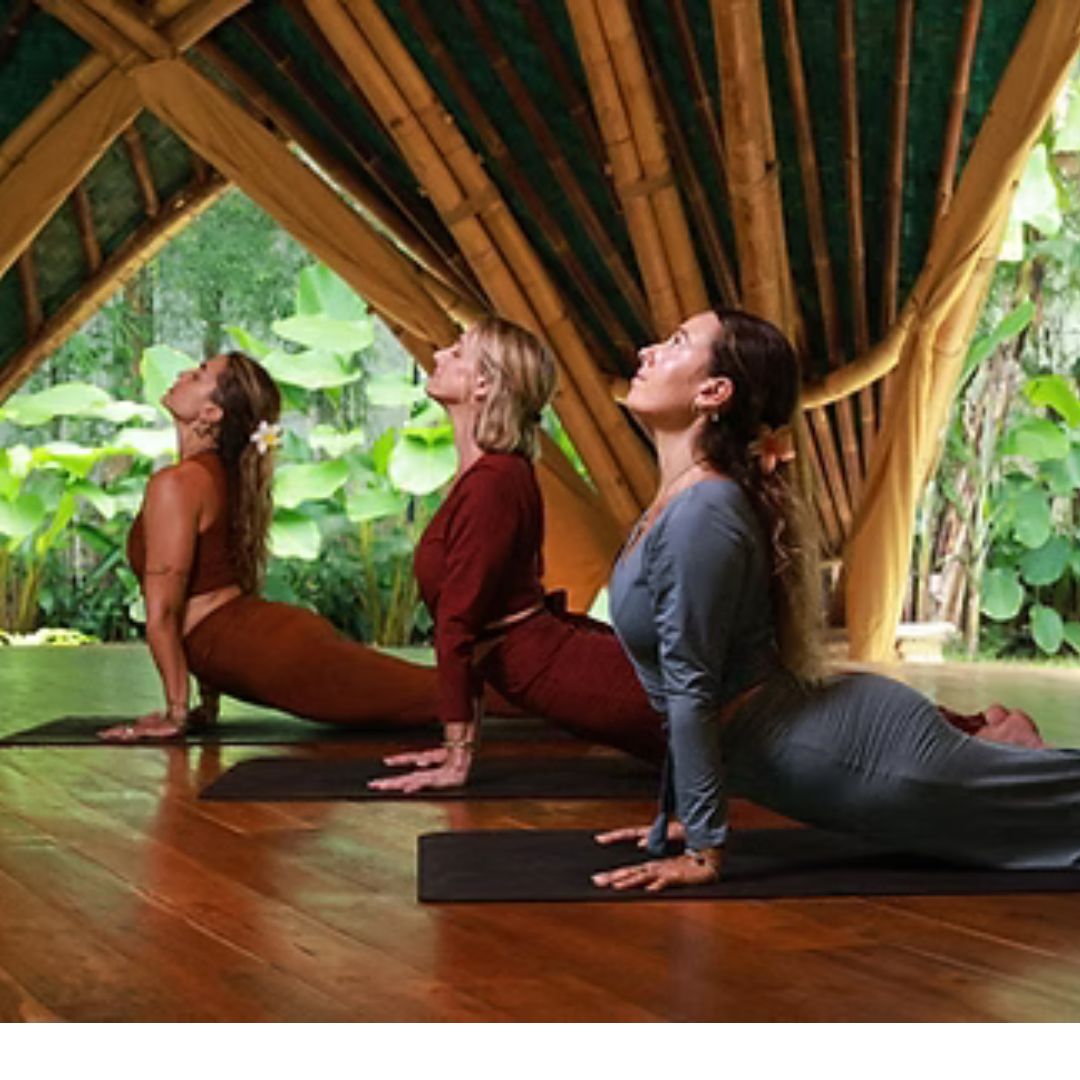
The Yoga Barn in Ubud
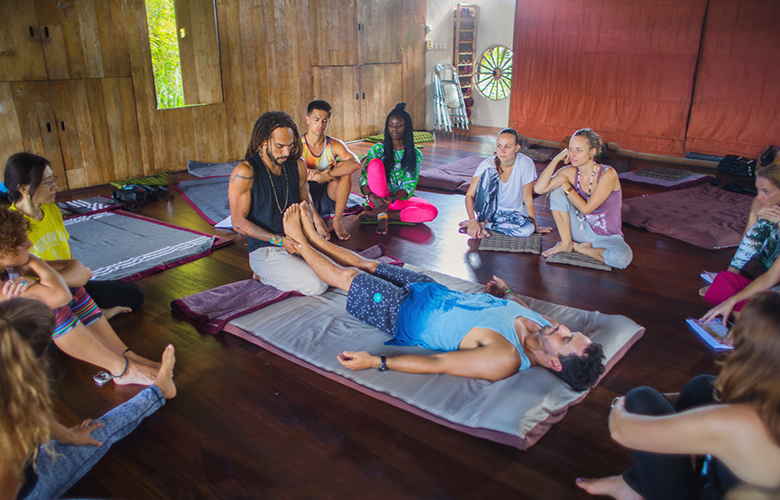
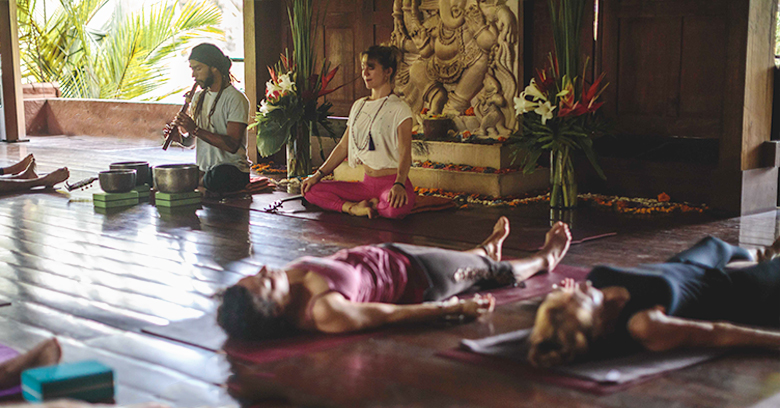
The Yoga Barn is one of the best-known yoga centers in Ubud. It offers trainings in styles such as Hatha, Yin, and Vinyasa, with accommodation and meals usually arranged separately.
This is a good option if you want to train in a large, established yoga community rather than a small retreat-style school. Because it is central, students can usually find a wide range of accommodation options nearby.
Choose this if: you want a well-known Ubud yoga center and are comfortable learning in a larger community.

Verified by Students
Rating aggregated from publicly available third-party review data. YTTinBali does not host user reviews directly.
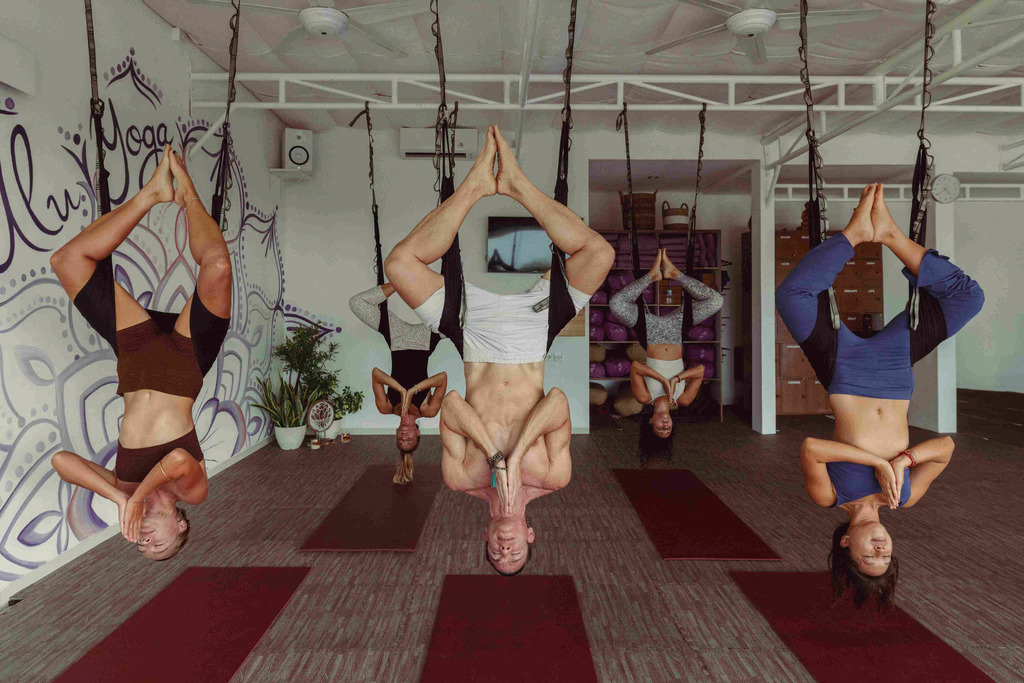
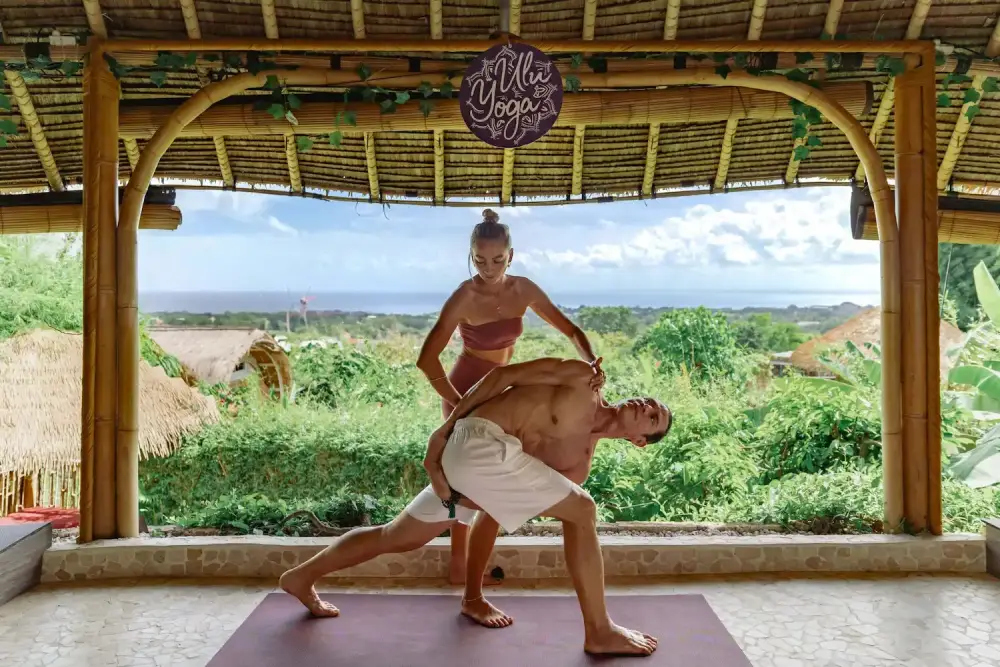
Ulu Yoga Bali in Uluwatu
Ulu Yoga Bali is a strong option if you want to train near the ocean instead of in the jungle. The school is based in Uluwatu, close to beaches, cliffs, surf spots, and sunset areas.
The training is multi-style, which can be useful if you want exposure to more than one approach during your 200-hour course. Because Uluwatu is spread out, check the real travel time from your accommodation to the shala before you book.
Choose this if: you want a coastal base and prefer to train near beaches, cliffs, and surf culture.

Verified by Students
Rating aggregated from publicly available third-party review data. YTTinBali does not host user reviews directly.
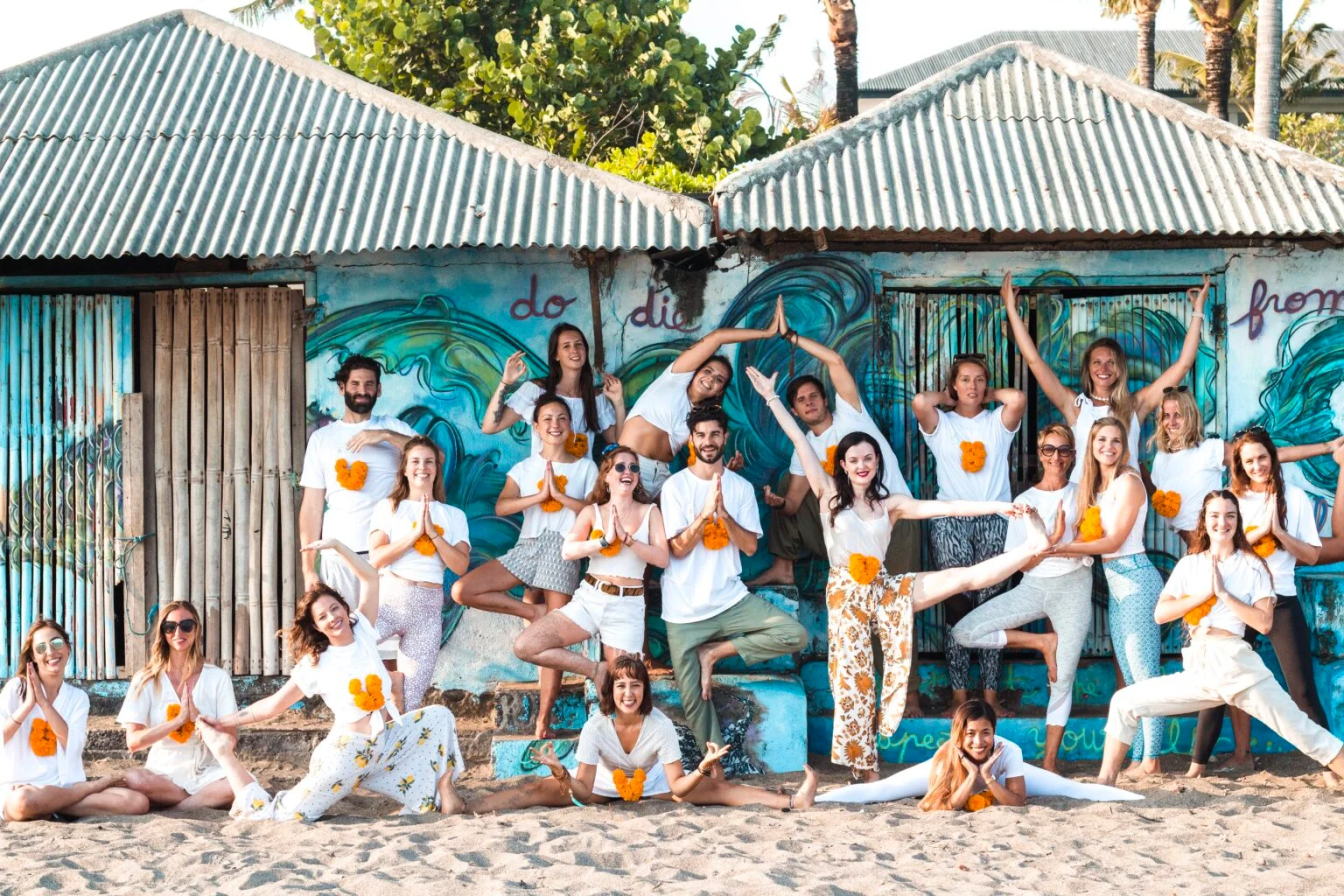
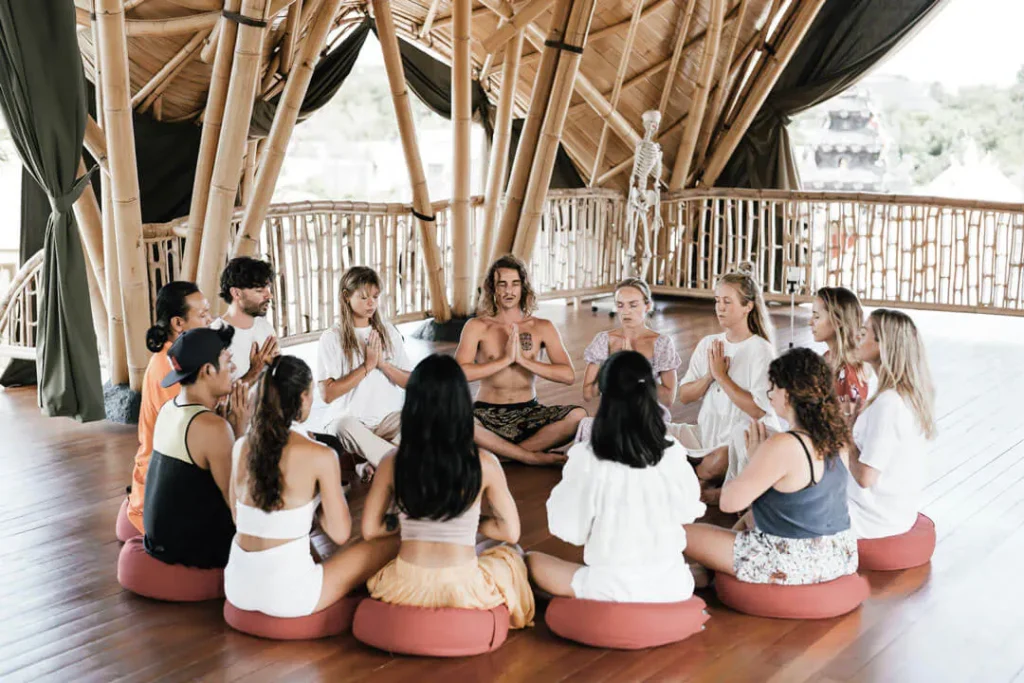
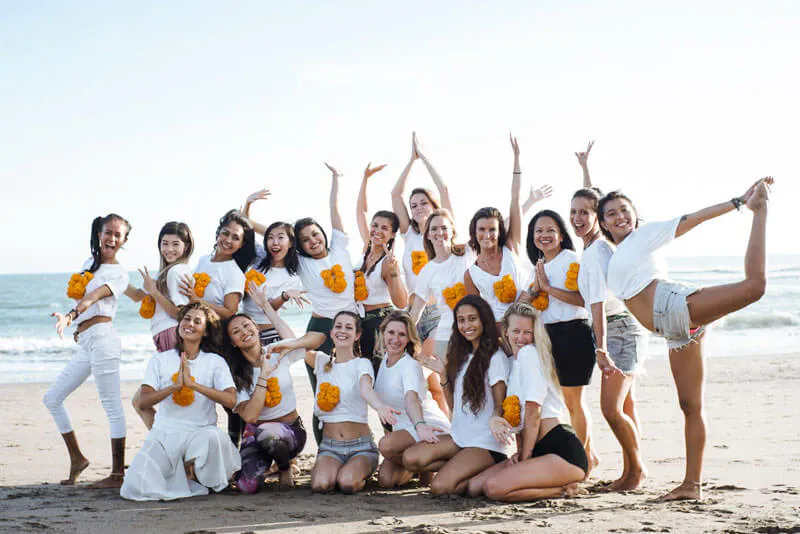
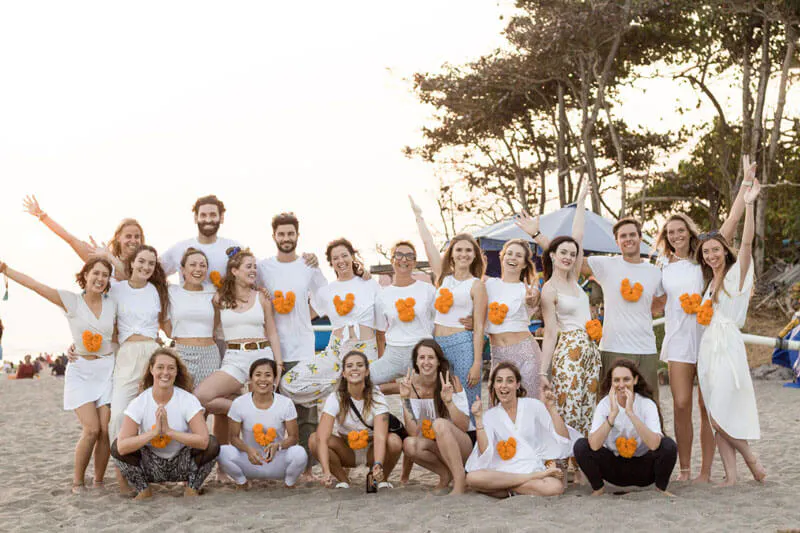
Joga Yoga Training in Canggu
Joga Yoga Training is based in Canggu, one of Bali’s most social beach areas. The school offers a multi-style course covering Hatha, Vinyasa, and Yin.
Course-only training can work well in Canggu because there are many guesthouses, villas, and homestays nearby. The main thing to watch is traffic. Stay close to the training venue if you want to protect your rest time.
Choose this if: you want a social beach-area base and a multi-style curriculum.

Verified by Students
Rating aggregated from publicly available third-party review data. YTTinBali does not host user reviews directly.
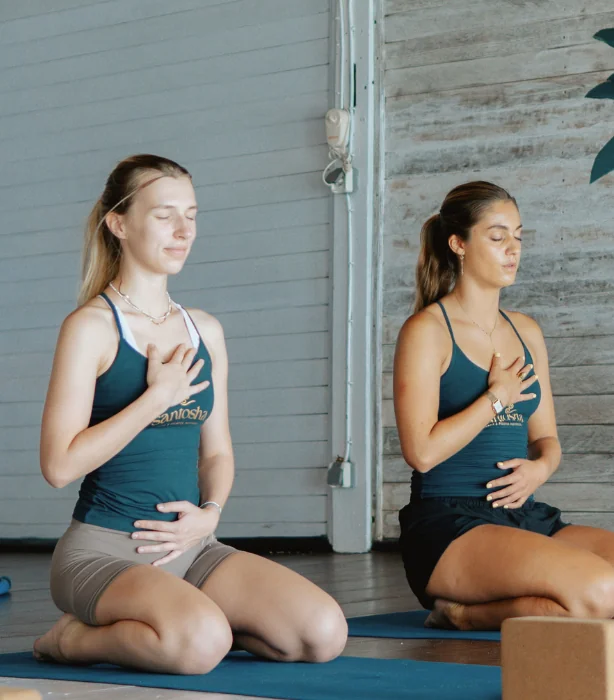
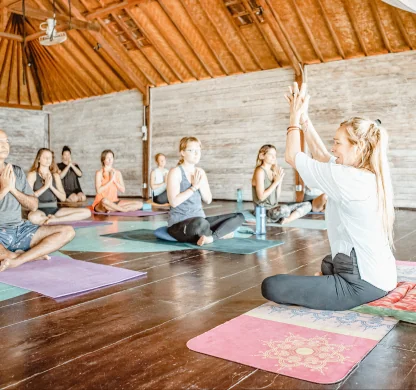
Santosha Yoga Institute
Santosha Yoga Institute takes a warm and supportive approach to teacher training. Its teaching draws from the Krishnamacharya tradition and places strong attention on teaching skills, methodology, and confidence.
This is a good option if you care more about becoming a capable teacher than choosing the most famous school name. It can also suit students who want a grounded training environment without needing a luxury package.
Choose this if: you want supportive teaching, clear methodology, and practical confidence as a future teacher.



Verified by Students
Rating aggregated from publicly available third-party review data. YTTinBali does not host user reviews directly.
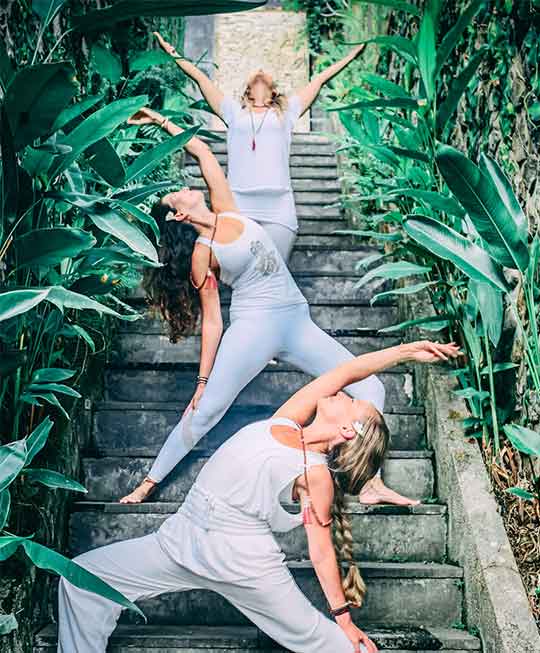
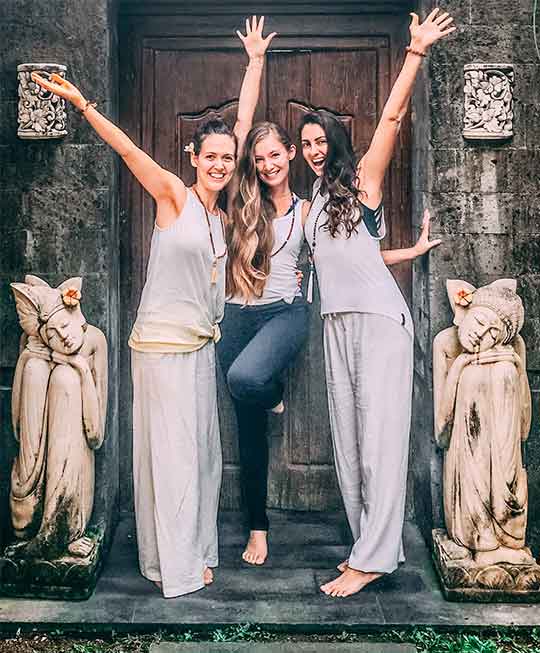
Blooming Lotus Yoga in Ubud
Blooming Lotus Yoga is based in a quiet Ubud jungle setting. The school blends asana, meditation, and philosophy, which makes it a good fit for students who want a more inward and reflective training experience.
If you book your own accommodation nearby, you can choose the comfort level and budget that suit you while still training in a peaceful, nature-led environment.
Choose this if: you want a calm Ubud setting with meditation, philosophy, and a more reflective style of training.


Verified by Students
Rating aggregated from publicly available third-party review data. YTTinBali does not host user reviews directly.
These are strong course-only options, but they are not the only ones. You can use the schools directory to filter by location, style, pricing, and accommodation type. Always confirm current fees and course dates before booking because school packages can change.
What Students Often Miss When They Book Their Own Stay
Booking your own accommodation gives you freedom, but it also means you need to think through the details that an all-inclusive package usually handles for you.
Your daily route to the shala. If the school arranges your room, you are usually close to class. If you book your own stay, you need to plan how you will get there every day. Walking is ideal. A scooter can work if you are confident. Grab and Gojek are useful, but daily rides can add up.
The real travel time. A room can look close on a map but still take longer than expected because of traffic, narrow roads, or one-way routes. Check travel time during class hours, not just distance.
Dry season availability. April to October is Bali’s busier season. Good rooms near popular schools can book out early. If your training falls during these months, arrange your accommodation as soon as your course is confirmed.
Meals and community. All-inclusive programs often include shared meals, and a lot of bonding happens there. With course-only training, you can still build friendships during class, but you may need to make more effort to join group meals or social time.
School recommendations. Many schools can suggest trusted guesthouses or good areas nearby, even if accommodation is not included. Ask before booking your own place. A simple recommendation from the school can save you from a difficult commute.
How to Choose the Right Course-Only Training
Your room matters, but the training matters more. A cheap stay near a weak school is not a good deal. Start with the quality of the training, then choose accommodation that supports your month of practice.
- Active Yoga Alliance registration if you want RYT-200 eligibility
- Clear lead trainer experience
- Enough hours across technique, anatomy, philosophy, and teaching practice
- Class size that allows real attention, usually around 12 to 22 students
- A schedule that is full but still realistic
- Verified student reviews across more than one platform
- Clear pricing with no hidden fees
- Helpful guidance on nearby accommodation
If a school is vague about the schedule, trainers, pricing, or certification pathway, be careful. You can also see how we compare schools on our rating system page.
Pros and Cons of Yoga Teacher Training Without Accommodation
Course-only training can be a very good choice, but it is not the right setup for every student. Here is the honest trade-off.
- Lower total cost in many cases
- More control over where you stay
- More privacy than shared school accommodation
- Freedom to arrive early or stay longer
- Easier if you are travelling with a partner or friend
- More planning before the course
- Daily commute to the shala
- Meals are usually your responsibility
- Less built-in bonding outside class
- Accommodation quality depends on your own research
The decision comes down to this: course-only gives you privacy, flexibility, and control. All-inclusive gives you convenience, community, and fewer logistics.
Who Should Choose Yoga Teacher Training Without Accommodation?
Course-only training is a good fit for students who feel comfortable managing their own stay in Bali. It is not ideal for everyone, so be honest about how much support you want outside class.
Choose course-only if:
- You want to control your total budget
- You already know Bali or feel comfortable arranging your own stay
- You want to choose your own room, area, or comfort level
- You are travelling with a partner or friend
- You want to arrive early or stay longer after the course
- You do not need a full all-inclusive training package
Choose all-inclusive if:
- It is your first time in Bali and you want everything arranged
- You do not want to think about transport, meals, or accommodation
- You want to live close to your classmates during the training
- You prefer a retreat-style experience with more structure
Neither format is better for everyone. The right choice depends on your budget, travel style, confidence in Bali, and how much support you want outside the classroom.
Final Advice Before You Book
A yoga teacher training in Bali without accommodation can be a smart choice if you want flexibility and know how to manage your own stay.
But do not choose course-only only because the tuition looks cheaper. Add the full cost first: accommodation, food, transport, visa, Yoga Alliance registration, and daily travel time. Then compare that total with the school’s all-inclusive package.
The training itself should always come first. Choose a strong school, then choose a place to stay that supports your practice. During a 200-hour training, rest matters. A quiet, comfortable room close to the shala can make the whole month easier.
Ready to compare options? Browse the schools directory, filter for the schools that fit your needs, and check real pricing, reviews, and dates before booking.
Frequently Asked Questions
Is yoga teacher training without accommodation cheaper?
Often, yes. The course fee is usually lower because accommodation is not included. But the final cost depends on the room you book, food, transport, and how far you stay from the shala. Always compare the full cost, not just the tuition.
How much does accommodation cost in Ubud?
For four weeks, a simple guesthouse may cost around $350 to $600. A mid-range room may cost $700 to $1,200. A nicer villa or private stay can cost $1,400 to $2,500 or more. Prices are usually higher in the busy dry season.
Do I need a scooter to get to class?
Not always. If you stay within walking distance of the shala, you may not need one. If you stay farther away, a scooter is common, but only choose this if you feel confident in Bali traffic. Ride-hailing apps like Grab or Gojek are another option.
Will the school help me find accommodation?
Some schools do. Many course-only schools can recommend nearby guesthouses or areas to stay, even if accommodation is not included in the package. It is worth asking before you book anything yourself.
Can I bring my partner during training?
Yes. This is one reason students choose course-only training. You can book your own room or villa with a partner or friend instead of staying in school-arranged accommodation.
Are meals included in course-only programs?
It depends on the school. Some include a few meals or snacks, but many do not include meals at all. Check the school profile carefully. Bali has many affordable food options, especially local warungs.
Can I stay longer in Bali after my training?
Yes. When you book your own accommodation, you control your arrival and departure dates. Many students arrive a few days early to settle in or stay after graduation to travel around Bali.