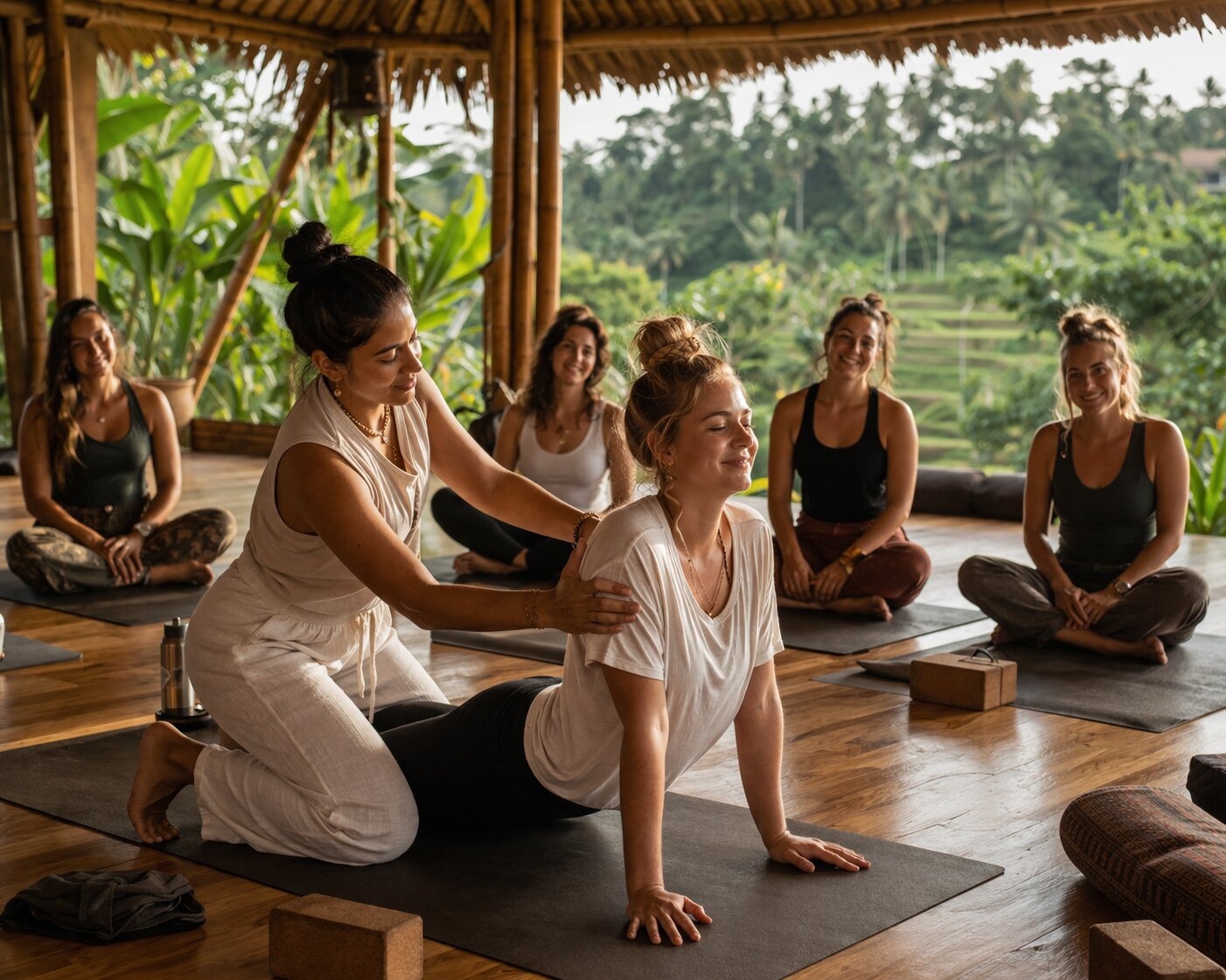
Yes, beginners can do yoga teacher training in Bali. A 200-hour YTT is the starting point for teacher training, not an advanced course. You do not need to be flexible, and you do not need to know every pose. Most schools recommend around six months of regular practice, but many beginners still do well when they choose the right school. The schools below are good options because they offer clear guidance, smaller groups, modification teaching, and supportive learning environments.
Many beginners worry about the same thing before booking a yoga teacher training in Bali: “What if everyone else is better than me?”
Maybe you have practiced for a year. Maybe less. Maybe you cannot do a headstand, and maybe Sanskrit words still feel new. That is normal. A good 200-hour training is not built only for advanced students. It is built to teach you the foundations of yoga, teaching, sequencing, anatomy, breath, and philosophy.
In Bali, you will meet students from many levels. Some have practiced for years. Some are just starting to take yoga seriously. The best schools know how to support mixed-level groups without making beginners feel behind.
The five schools below were selected from the YTTinBali directory because they are strong choices for students who are still building confidence. If you want to compare schools beyond beginner-friendly options, read our guide to the 7 best yoga teacher training courses in Bali. If budget is your main concern, see our best affordable YTT in Bali under $2,000.
Do You Need Yoga Experience to Do a YTT in Bali?
You do not need formal teaching experience to join a 200-hour yoga teacher training. Yoga Alliance sets standards for registered schools, but each school decides its own entry requirements for students.
Most Bali schools recommend around six months of regular practice before joining. This is not to keep beginners out. It is because a 200-hour YTT is intensive. Training days can be long, usually with asana practice, lectures, teaching practice, meditation, and study sessions.
If you already have a steady practice, the first week may feel easier. If you are newer, you can still join the right program, but you should expect your body and mind to need time to adjust.
What matters most is your attitude. Come ready to learn. Ask questions. Accept corrections. Rest when needed. A good yoga teacher is not the person who can do the hardest pose. A good teacher is someone who understands the practice and can guide others safely.
If you feel unsure, you have two options. You can start with a 100-hour YTT to test the experience first. Or you can join a 200-hour YTT at a school that clearly welcomes beginners and teaches from the foundation.
What Beginner-Friendly Actually Means
Many schools say they are “open to all levels.” That sounds good, but it is not enough. A beginner-friendly school should show it in the way the training is designed.
- Small class size. Beginners need attention. A group of 15 to 20 students gives teachers more time to correct alignment, answer questions, and support teaching practice.
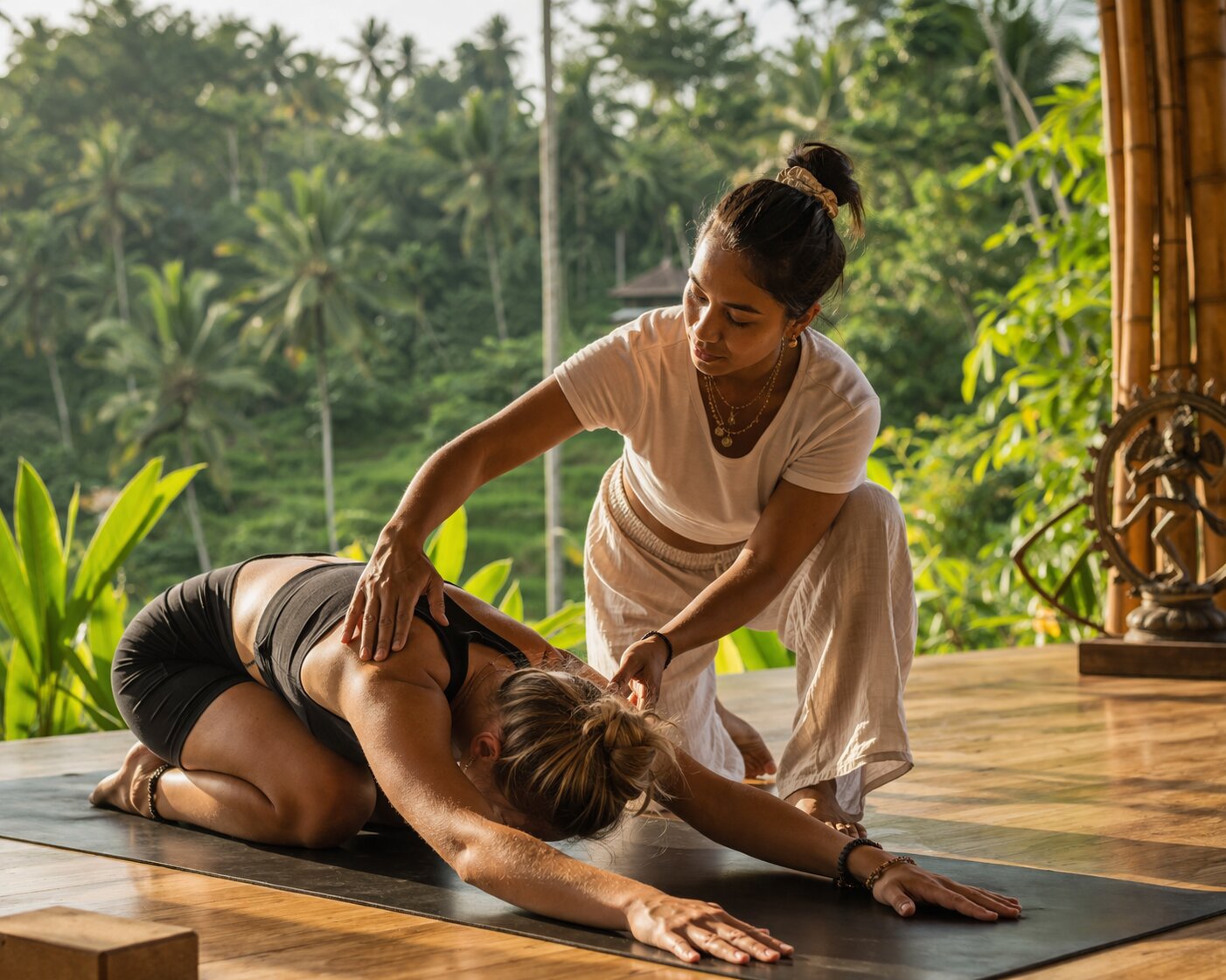
- Clear modification teaching. A good school teaches easier and safer options for poses. This helps you learn for your own body and later teach students with different needs.
- Foundation-based curriculum. Hatha, Vinyasa, and Yin are usually easier for beginners to build from than a very intense single-style course. A balanced curriculum gives you more space to learn.
- Gradual teaching practice. You should not feel thrown into teaching before you are ready. A good school builds confidence step by step, from small peer exercises to supervised teaching.
- Reviews from real beginners. Look for reviews where students mention coming in with limited experience and feeling supported. That is often the clearest sign.
What to Expect in Your First Week
The first week of a yoga teacher training in Bali can feel intense, especially if you are new. This does not mean you chose the wrong course. It usually means your body and mind are adjusting to a new routine.
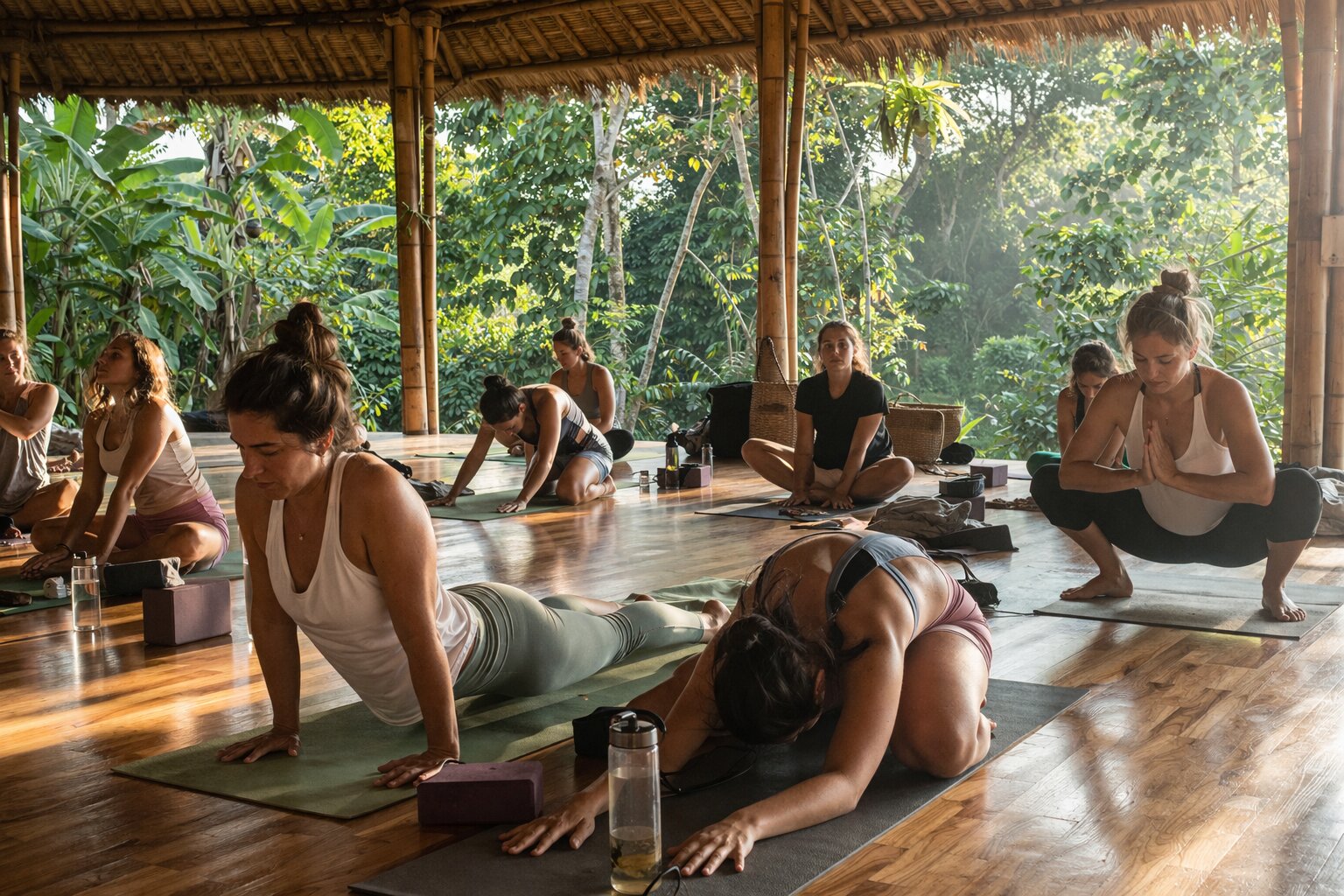
You may practice asana for two to three hours a day. You may also study anatomy, philosophy, teaching language, sequencing, pranayama, and meditation. That is a lot to take in. You are not expected to understand everything immediately.
Good teachers in Bali know that the first few days can feel overwhelming. They will remind you to rest, modify poses, drink water, and listen to your body. In a real yoga training, pushing through pain is not the goal. Learning awareness is the goal.
Many students feel nervous at the start. By the end of the first week, most realise that others are also learning, asking questions, and working through their own doubts. That is when the training often starts to feel less scary and more meaningful.
The Best Yoga Teacher Training in Bali for Beginners
The schools below are strong beginner-friendly options from the YTTinBali directory. They were selected for class size, beginner support, modification teaching, curriculum balance, and review signals. No school pays to be listed here.
Use our comparison tool to compare any two schools before you book.
1. Shades of Yoga in Ubud


Verified by Students
Rating aggregated from publicly available third-party review data. YTTinBali does not host user reviews directly.
Upcoming Intakes
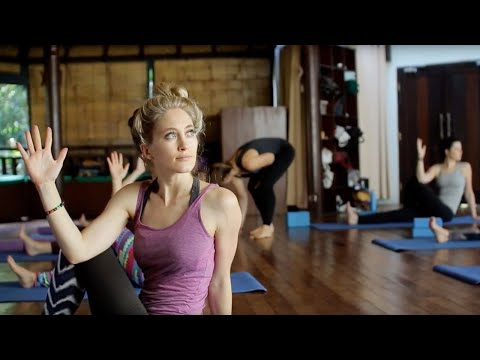
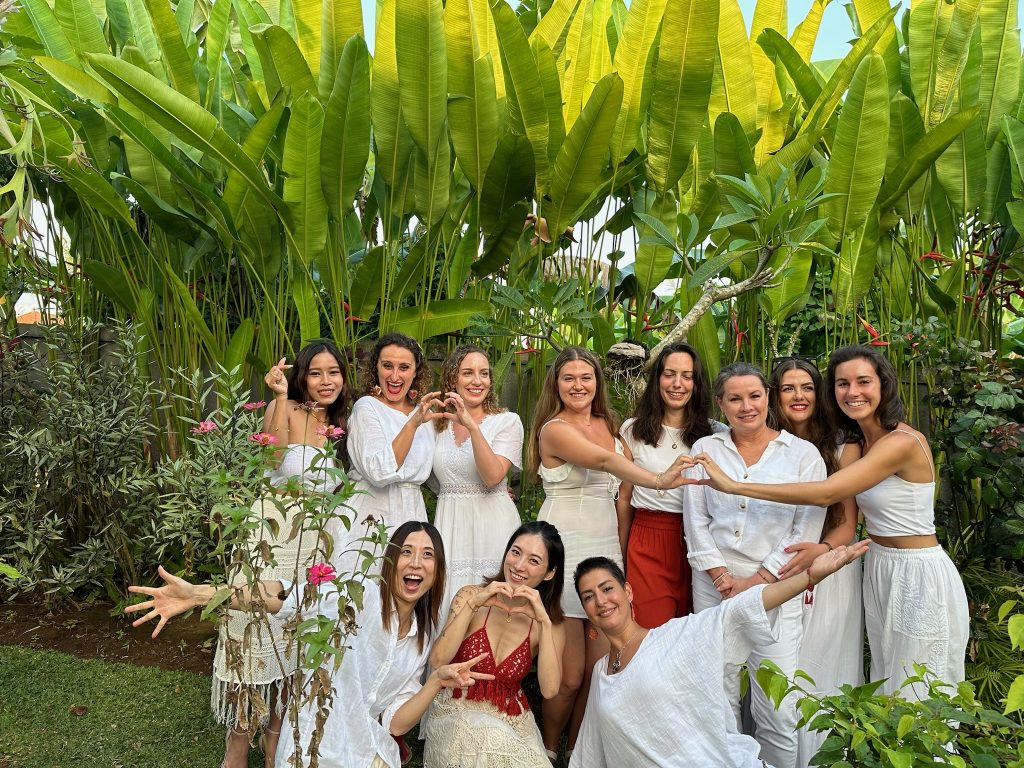
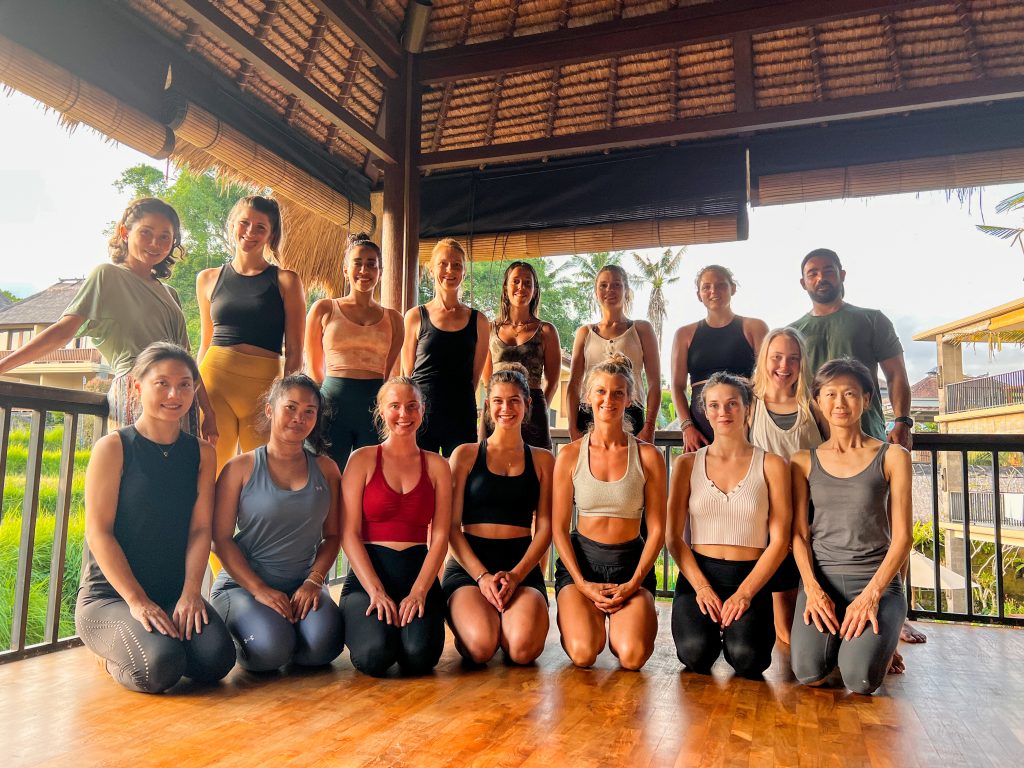
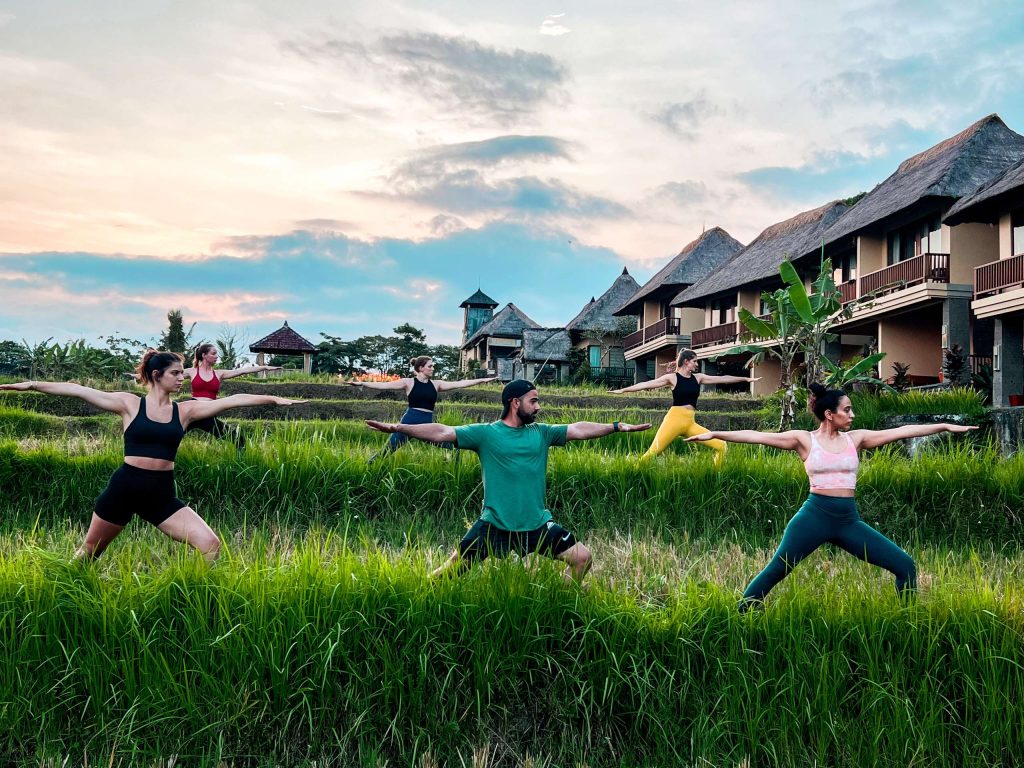
Shades of Yoga is a strong choice for beginners because the groups are kept small. In a small group, teachers can actually see how you move, how you speak when you teach, and where you need support.
This matters a lot in a first teacher training. You are not just learning poses. You are learning how to teach, how to use your voice, how to observe bodies, and how to feel steady in front of a group.
The curriculum includes Hatha, Vinyasa, and Yin, with breathwork, meditation, and philosophy included throughout the course. The pace is steady and grounded, which helps beginners absorb the material without feeling rushed.
With 266 verified reviews averaging 4.9 stars, Shades of Yoga has a strong record. If you want close guidance and a calm learning space in Ubud, this is one of the best schools to consider.
2. Power of Now Oasis in Sanur
Verified by Students
Rating aggregated from publicly available third-party review data. YTTinBali does not host user reviews directly.
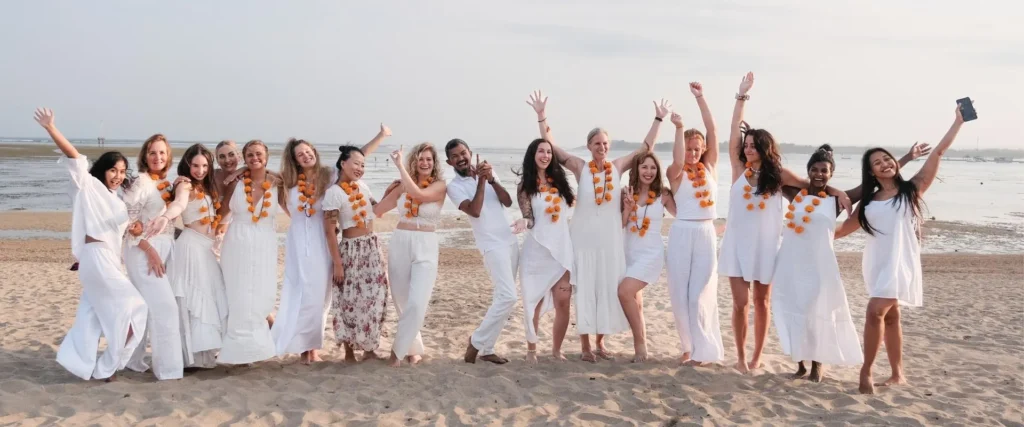
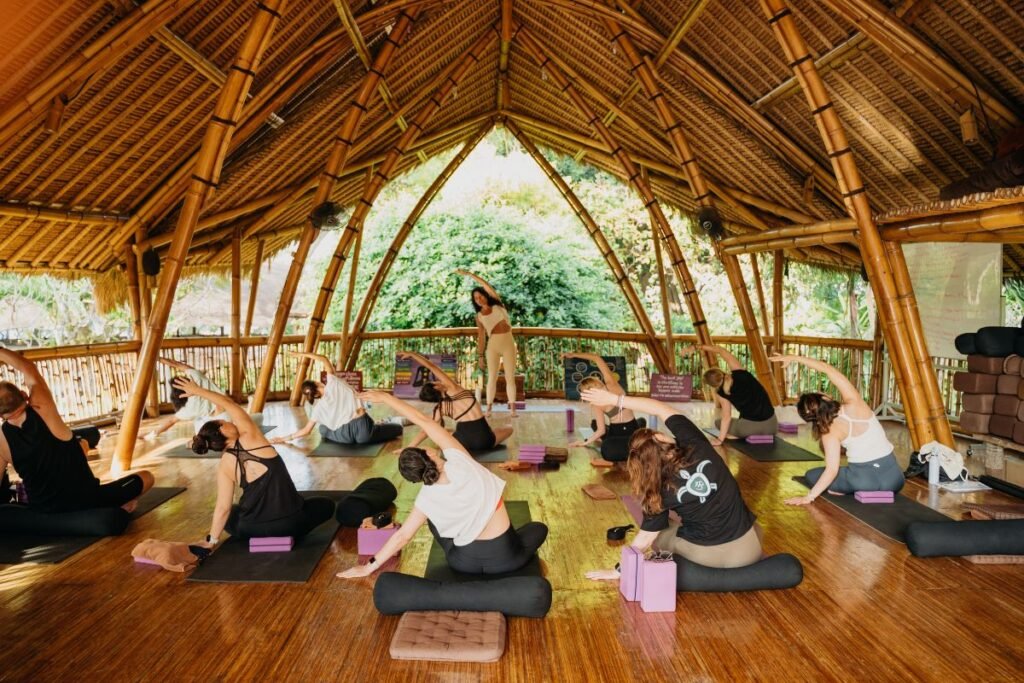
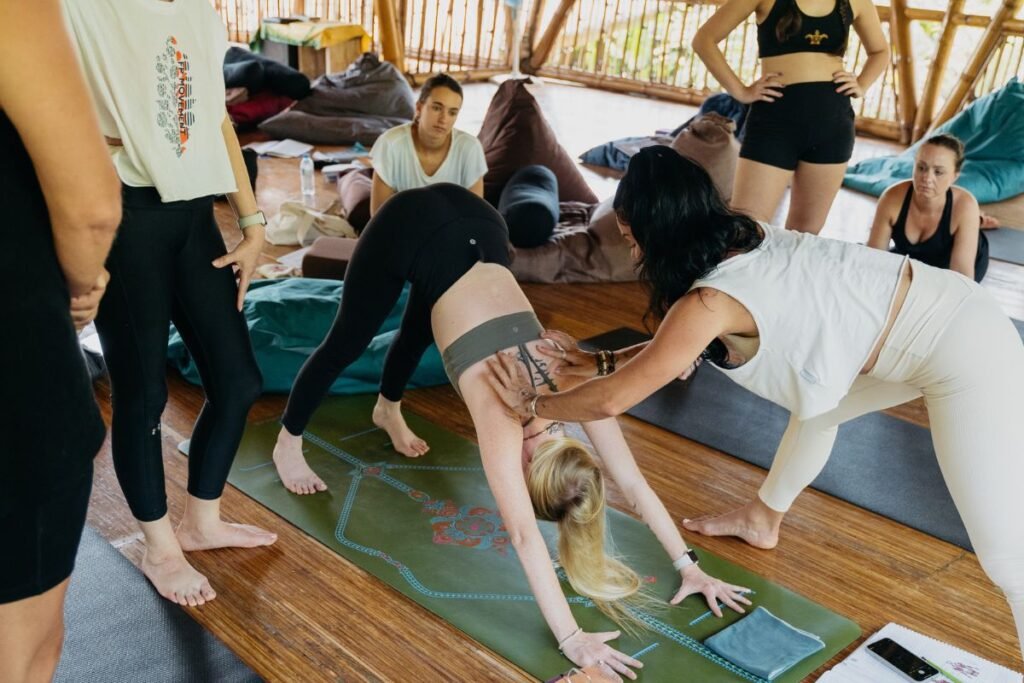
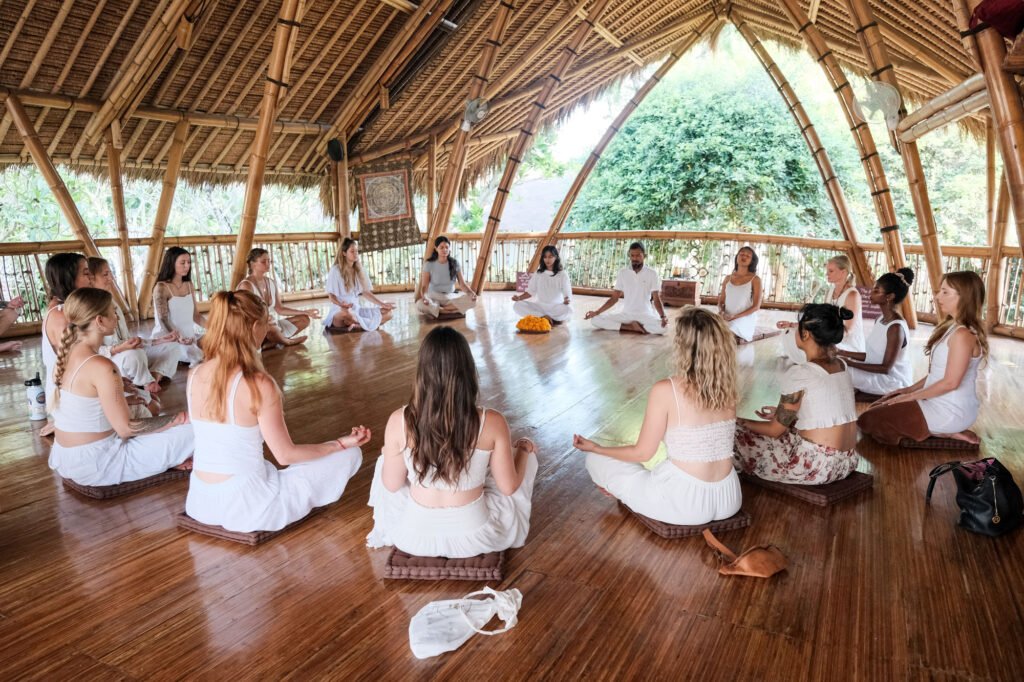
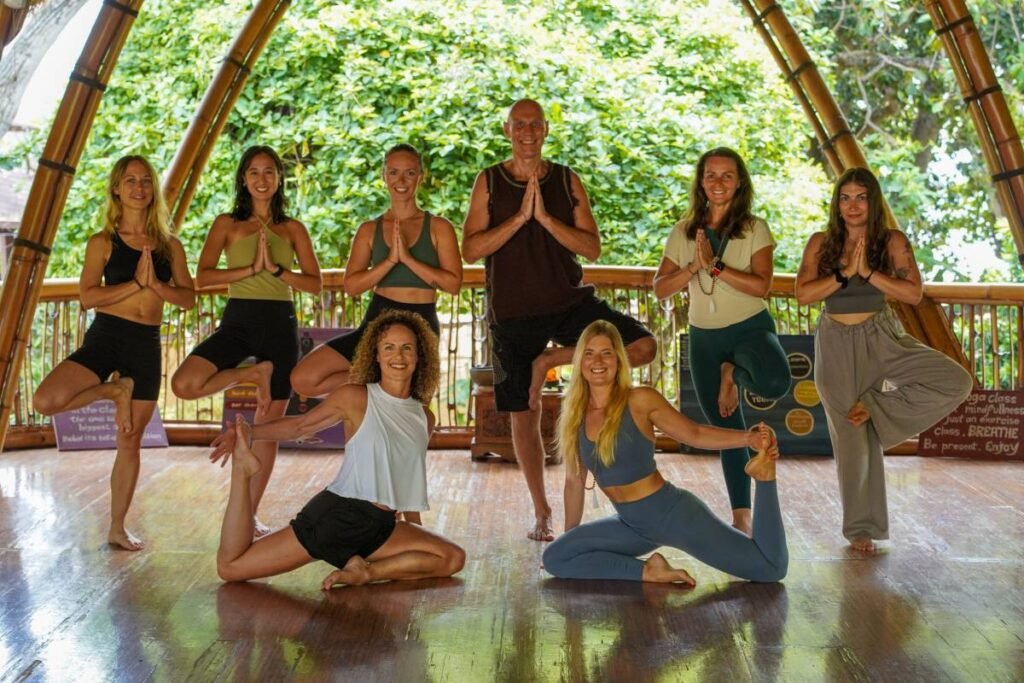
Power of Now Oasis is one of the clearest options for beginners because the school openly welcomes students with different levels of experience. It does not expect every student to arrive with an advanced practice.
The school keeps a maximum of 20 students and has three lead teachers. That gives beginners more support during practice, teaching exercises, and corrections. This teacher-to-student ratio is one of the main reasons the school stands out.
The Sanur location also helps. Sanur is calmer than Ubud or Canggu, with a softer pace and fewer distractions. For beginners, this can make the training feel more settled.
The curriculum includes Hatha, Vinyasa, anatomy, Ayurveda, philosophy, and guest workshops. With 704 verified reviews averaging 4.7 stars, Power of Now Oasis has one of the strongest review records outside Ubud.

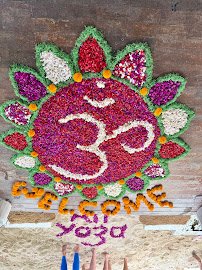
3. All Yoga Training on Nusa Lembongan

Verified by Students
Rating aggregated from publicly available third-party review data. YTTinBali does not host user reviews directly.
Upcoming Intakes
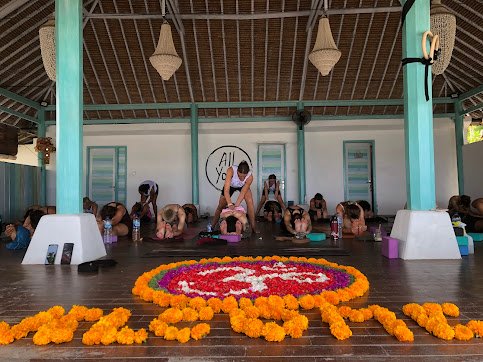
All Yoga Training is a good option for beginners who want structure. The school uses a Modified Primary Series for beginners and the traditional Ashtanga Primary Series for more experienced students. This helps students train at the right level instead of forcing everyone into the same practice.
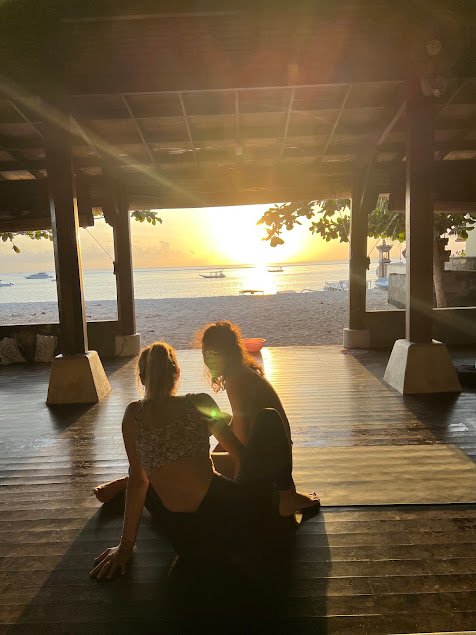
The school is based on Nusa Lembongan, a small island off Bali. The island setting is quieter than the mainland, which can help beginners rest properly between sessions and stay focused on the training.
All Yoga Training has been running since 2009 and has trained more than 3,500 graduates. Class size is capped at 22 students, with personal mentoring included in the format.
With 230 verified reviews and a 5.0-star average on Google, the school has a strong track record. It is a good choice if you want a structured beginner path in a quieter island setting.
4. House of Om in Pelaga

Verified by Students
Rating aggregated from publicly available third-party review data. YTTinBali does not host user reviews directly.
Upcoming Intakes
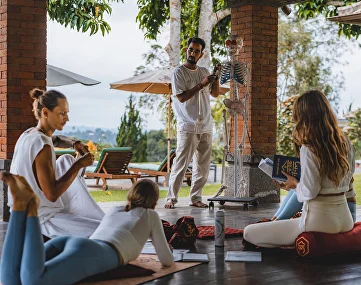
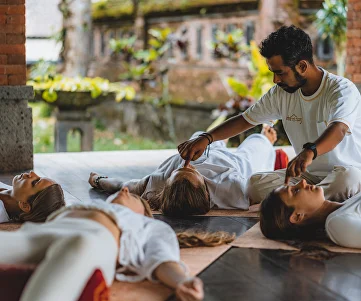
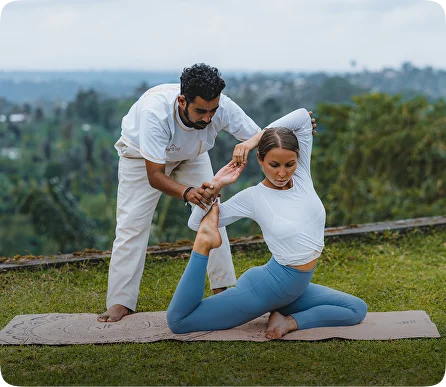
House of Om in Pelaga is a good fit for beginners who want to step away from busy Bali and focus fully on the training. Pelaga is in Bali’s northern highlands, with cooler air, forest views, and fewer distractions.
The school clearly states that no yoga experience is required. The training starts from the basics and includes Hatha, Vinyasa, meditation, and yoga philosophy. This makes it easier for beginners to follow the course without feeling left behind.
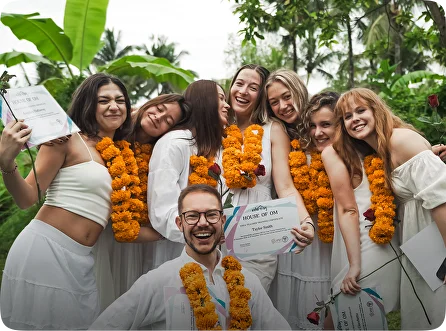
House of Om has taught many students across its Bali locations, so the program is familiar with common beginner worries: fatigue, self-doubt, fear of teaching, and not knowing enough. A good school should know how to support those moments.
With 601 aggregated reviews averaging 4.9 stars, House of Om in Pelaga is a strong option if you want a retreat-style environment with clear structure and support.
5. Yoga New Vision in Ubud
Verified by Students
Rating aggregated from publicly available third-party review data. YTTinBali does not host user reviews directly.
Upcoming Intakes
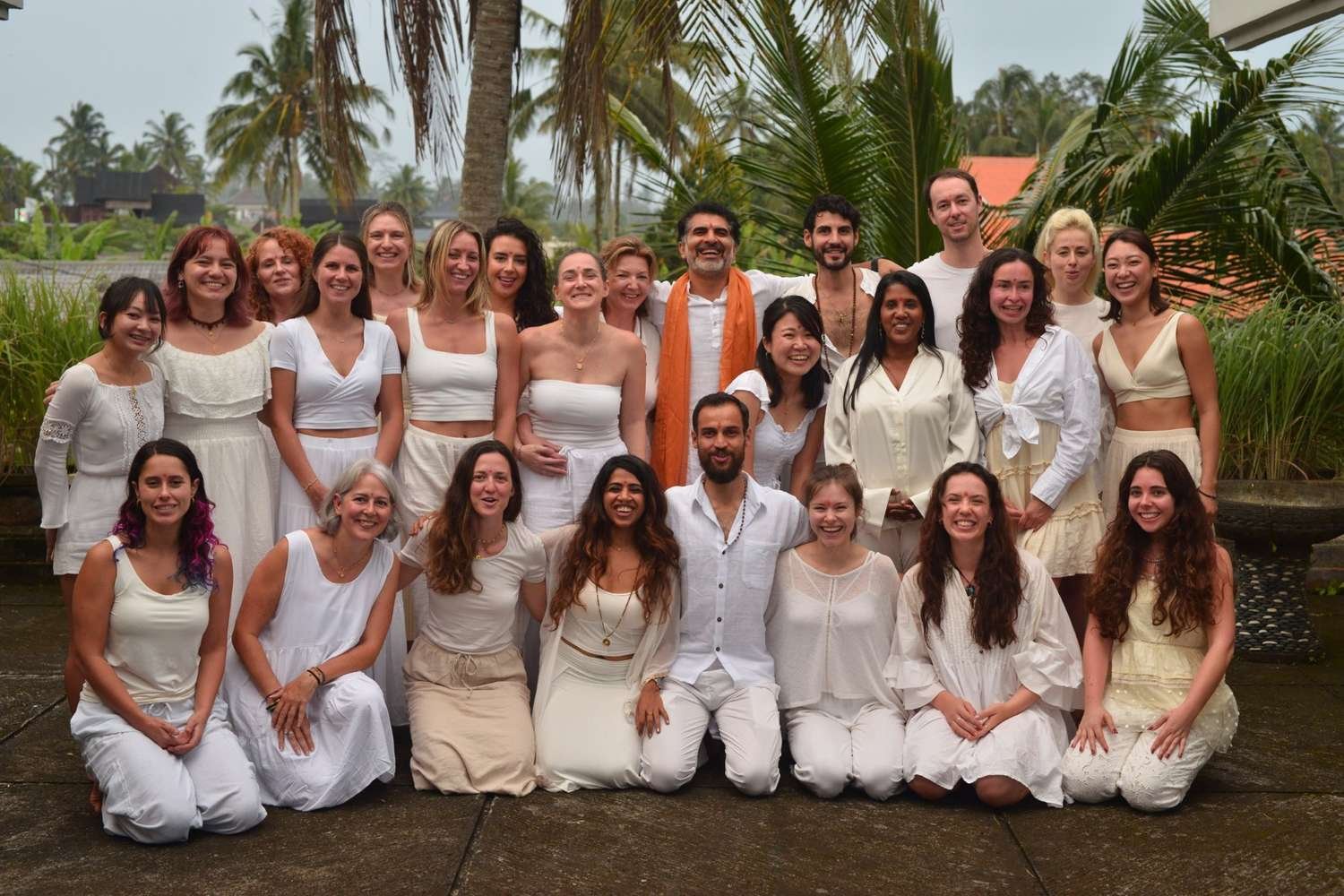
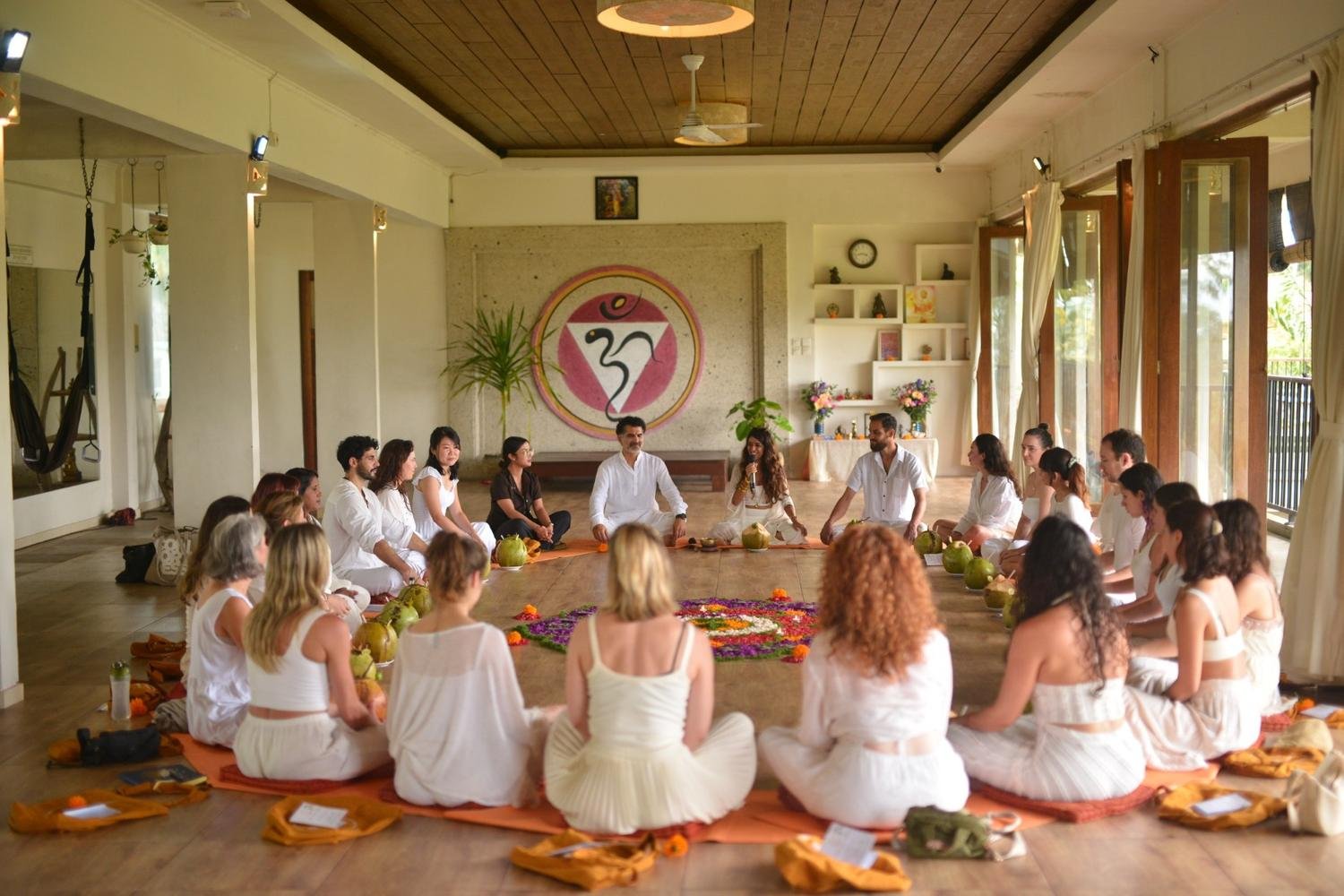
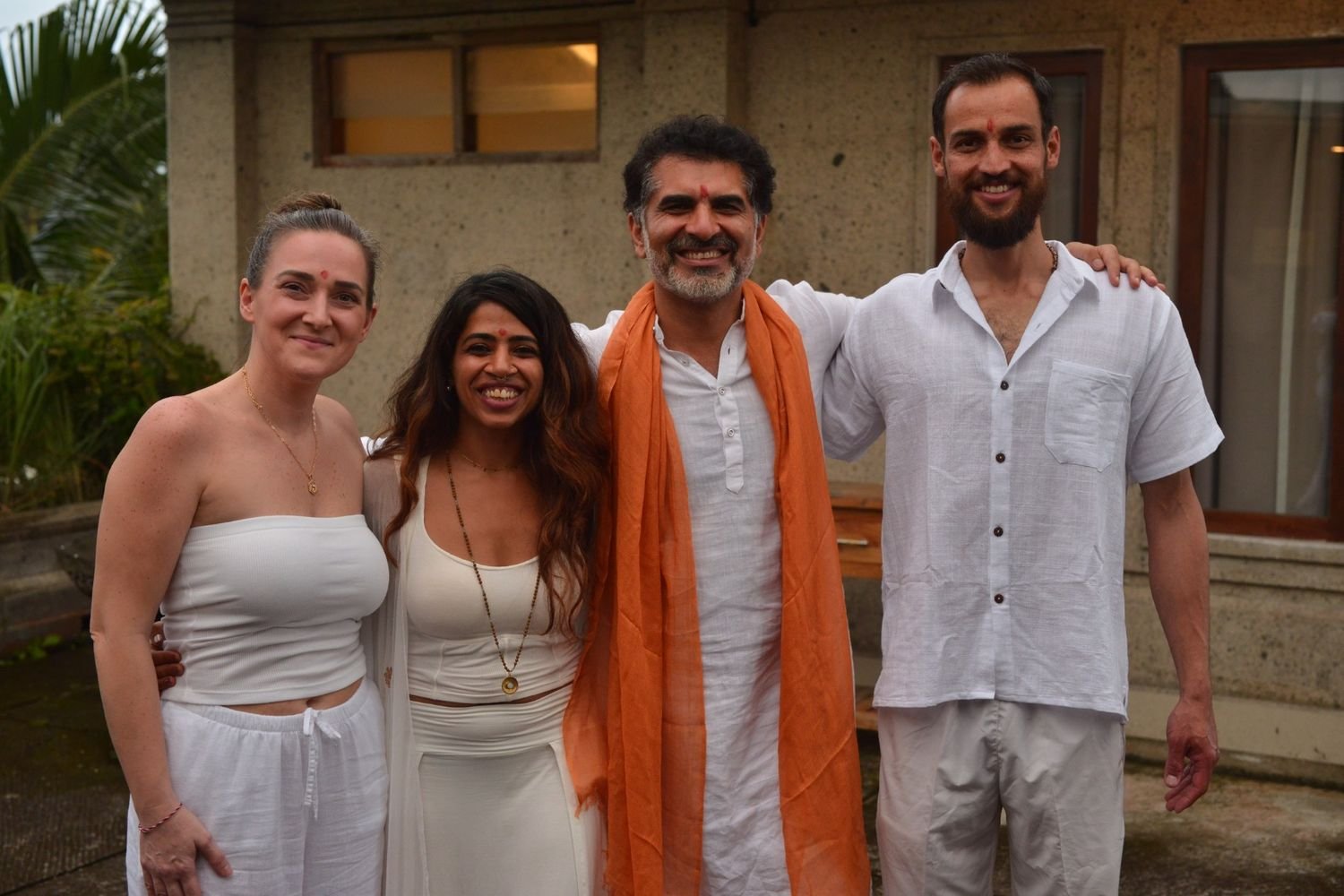
Yoga New Vision is a good choice for beginners who like to understand why they are doing something. The school connects traditional yoga with anatomy, physiology, and movement science.
This helps beginners move beyond copying shapes. You learn how the body works, why alignment matters, and how to build safer sequences for different students.
The school teaches Hatha and Vinyasa with a strong focus on alignment, sequencing, and the reason behind each practice. This can be especially useful if you are new and want a clear explanation instead of just being told what to do.
Yoga New Vision has 502 verified reviews averaging 5.0 stars across Google, Facebook, and the Yoga Alliance directory. It starts from $2,299, so it is not the cheapest option, but it is a strong fit for beginners who want a clear, thoughtful, and anatomy-informed training.
View Full Profile on YTTinBali →
Find the Right Beginner YTT in Bali for You
The best beginner yoga teacher training in Bali is not the school with the most advanced practice. It is the school where you feel supported enough to learn properly.
Choose Shades of Yoga if you want small groups and personal attention. Choose Power of Now Oasis if you want a calm, beginner-friendly environment by the beach. Choose All Yoga Training if you want a clear structure and a quieter island setting. Choose House of Om in Pelaga if you want a retreat-style experience away from busy Bali. Choose Yoga New Vision if you want to understand the body and the science behind the practice.
Read the full profiles of two or three schools that feel right, then use our comparison tool to compare them side by side. You can compare class size, curriculum, accommodation, location, and upcoming dates in one place. The full directory has more options if you want to keep exploring.
Frequently Asked Questions
Can a complete beginner do a 200-hour yoga teacher training in Bali?
Yes. A 200-hour YTT is a foundation course. It is not only for advanced students. Most schools recommend some regular practice before joining, but beginners can do well when they choose a school that teaches from the basics and gives proper support.
Do I need to be flexible to do yoga teacher training in Bali?
No. Flexibility is not required. Yoga teacher training is about learning how to practice, teach, guide, and understand yoga. A good teacher does not need to be the most flexible person in the room.
How hard is yoga teacher training for beginners?
The first week can be tiring. You may practice daily, study anatomy and philosophy, and begin learning how to teach. Most students adjust after the first few days. A good school will encourage rest, modifications, and safe practice.
What yoga styles are best for beginners in a Bali YTT?
Multi-style programs are usually best for beginners. Hatha gives you the foundation, Vinyasa teaches flow and sequencing, and Yin helps you understand slower, more restorative practice. This gives you a balanced start.
How do I know if a school is truly beginner-friendly?
Look at class size, modification teaching, curriculum structure, and reviews. A beginner-friendly school should explain the basics clearly, offer different options for poses, and have reviews from students who started with less experience and still felt supported.